Adding a menu item can require more than a recipe: operators may need to install equipment across many locations with different space and power constraints. Bryan Musgrove, divisional senior director on national accounts for TriMark USA, outlined practices for managing that process, using rollout examples.
Plan for site differences
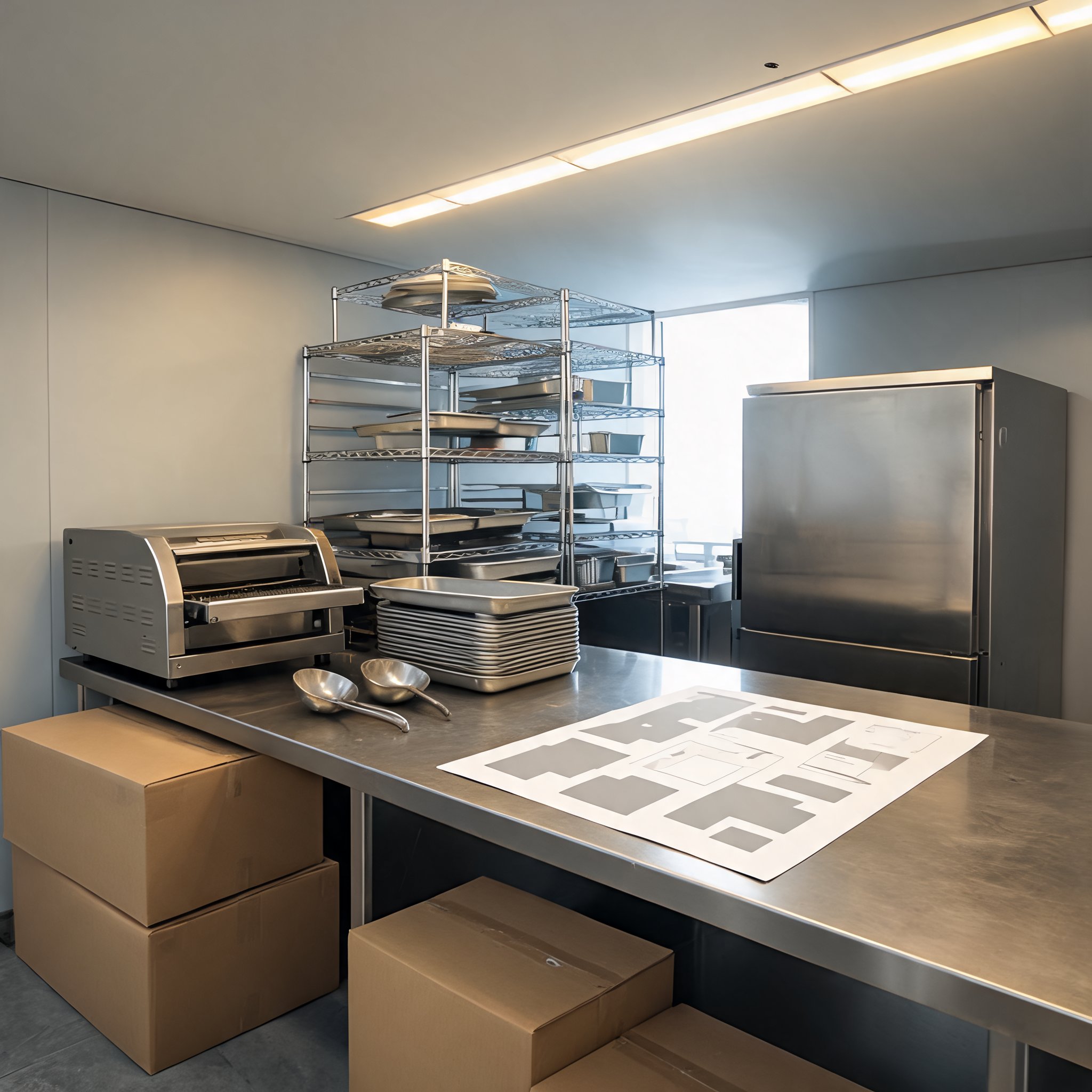
Musgrove recommends a rollout playbook that identifies which sites can accept new equipment without changes and which need extra work. In one case, a brand added toasted sandwiches to a breakfast lineup of biscuits and wraps, requiring new toasters. Some locations already had maxed-out electrical capacity, while compact mall or urban sites lacked counter space. Adding shelving or another table could create room but affect workflow, so those trade-offs need to be understood before installation.
Schedule from lead times
Equipment schedules should be built around how fast a manufacturer can actually deliver, not just the desired launch date. Musgrove described a case in which a supplier could make 200 units at a rate of 10 per week, implying 20 weeks for full production. Another scenario involved inventory for the first 50 units, followed by an eight-week wait for overseas parts before the remainder could be completed. When a menu launch is tied to a season or occasion, operators should work backward from that date to set a feasible timeline.
Consolidate deliveries
Packaging can also be simplified. Rather than sending small wares to each site in separate original boxes, Musgrove suggests asking the dealer to combine them into one package per location. For a brand adding macaroni and cheese as a side, the rollout required visual holding cabinets, pans and serving scoops in several sizes. The items were packed per location with instructions and exterior labeling so managers could identify the contents on arrival.
Musgrove’s recommendations focus on preparation: assess each site, set a schedule that reflects production realities and make deliveries easier to receive. If those steps are handled well, the equipment rollout is less likely to disrupt operations when the new item reaches the menu.