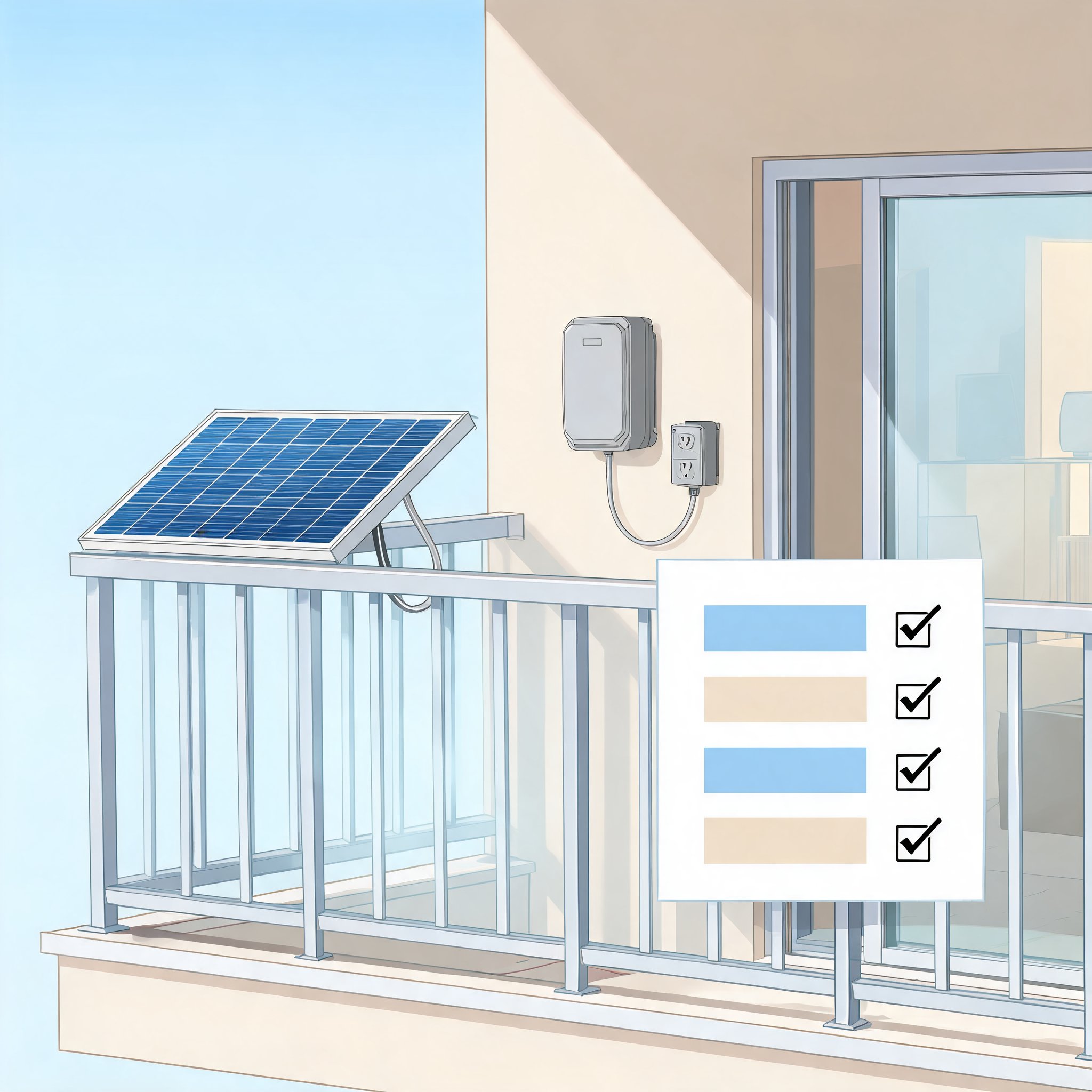
The Electrical Safety Roundtable (ESR) has launched new consumer guidance for people buying, installing and using plug-in solar devices. The organisation said consumers need to consider more than simply buying a device from a supermarket, DIY store or online retailer. The guidance aims to encourage safety by explaining the checks and precautions needed to help ensure systems are compliant, suitable and correctly installed.
According to the ESR, a compliant plug-in solar device should meet the Plug-in Solar Device Interim Product Specification and be clearly marked and accompanied by a statement confirming compliance. Product labelling should identify the manufacturer, model or serial number, voltage, frequency, current, rated power, IP rating and protection class.
Product and installation checks
Consumers should buy from reputable suppliers, follow all instructions and never modify the plug, cables, inverter, panels, connectors or other supplied components. Ideally, the device should be connected to a nearby, suitably located and protected external socket-outlet. Cables must not be trapped in doors or windows because this may damage them. Poorly routed and secured cabling can create trip hazards and further risk of damage.
Before purchasing a plug-in solar device, the ESR strongly recommends that consumers find a qualified and competent electrician to perform the necessary checks on their electrical system before installation. Consumers should also contact their insurer before buying a device.
Permissions and notification
The guidance notes that people living in flats or apartments may need approval from the building owner, while tenants must seek permission from their landlord. Managing agents, planning authorities and other interested parties should be informed where applicable.
After installation, the Distribution Network Operator must be notified within 28 days. The instructions supplied with a compliant system should explain this process, the ESR said.
The guidance is intended as a resource for anyone supporting consumers considering plug-in solar. Letting agents and landlords can share it with tenants and residents to explain the permissions and safety checks that may be required. Organisations can use it to raise awareness and signpost consumers to clear, consistent information, while electricians can share it with potential customers to help them understand why checks by a qualified and competent electrician are important before installation.
Nick Hayler, chair of the Electrical Safety in the Home group, said the group supports innovation that can help households embrace renewable energy and reduce their bills, but this must be done safely. He added that consumers should follow the guidance and use a competent and qualified person to help ensure their plug-in solar device is suitable and installed correctly.
By making the guidance widely available, the ESR said it aims to help consumers benefit from plug-in solar while ensuring safety remains the priority.