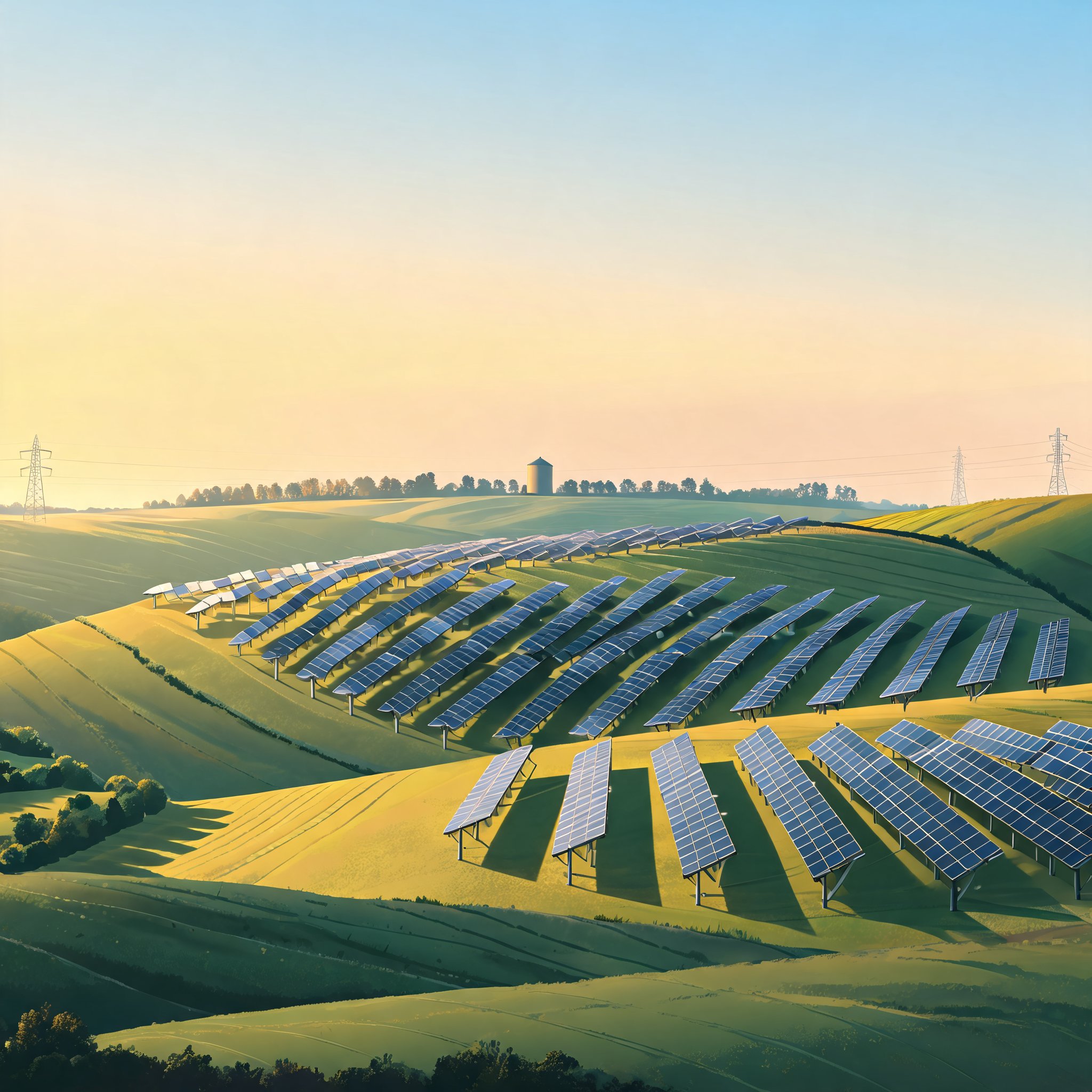
DTE Energy has announced plans to procure up to 150 megawatts of new solar generation sited in Michigan, a solicitation the company says would create construction jobs, support host communities and reduce customer fuel costs.
The utility framed the procurement as an investment in the state. Because solar plants do not consume fuel, the projects would lower DTE's exposure to fuel-price swings over their operating lives, the company said, and would contribute to its effort to supply power that is reliable, increasingly clean and affordable.
DTE also tied the projects to local economic effects: building them would create construction work, and operating them would bring investment and tax revenue into communities, which the company said can support schools, first responders and other services. Producing more energy in Michigan without purchasing fuel would additionally cut reliance on fuel sourced from outside the state, according to the announcement.
Solicitation terms and schedule
DTE is accepting competitive proposals for the full 150 megawatts. The company said the procurement supports requirements in the settlement agreement for Michigan Public Service Commission Case No. U-21662, which was approved May 15, 2025.
- Projects must reach commercial operation by June 30, 2030.
- They must be located in Michigan and interconnect either to the MISO transmission system or to DTE's distribution system.
- Interested bidders can register and obtain additional information through PowerAdvocate.
- Proposals are due Jan. 19, 2027, with contracts expected to be executed in the second or third quarter of 2027.
Because the capacity is being sought through a competitive solicitation rather than a named build list, the final project count, sizes and locations will depend on the bids DTE receives and the contracts it signs. The company has not indicated how many awards it expects to make.
Position within DTE's renewable portfolio
DTE describes itself as a producer of and investor in Michigan renewable energy, with wind and solar output sufficient to power nearly one million homes. The company is working toward net zero carbon emissions while maintaining what it calls a balanced mix of resources intended to protect reliability and affordability for customers.
Its 2026 Integrated Resource Plan builds on that position and calls for an additional 15 gigawatts of renewable capacity by 2042. The 150-megawatt solicitation would represent a limited share of that longer-term target.
DTE did not quantify the expected customer fuel savings or the number of construction jobs the projects might generate; both are described as anticipated outcomes of fuel-free generation and local building activity rather than measured results.